Information
Landmark: Lago CuicochaCity: Cotacachi
Country: Ecuador
Continent: South America
Lago Cuicocha, Cotacachi, Ecuador, South America
Overview
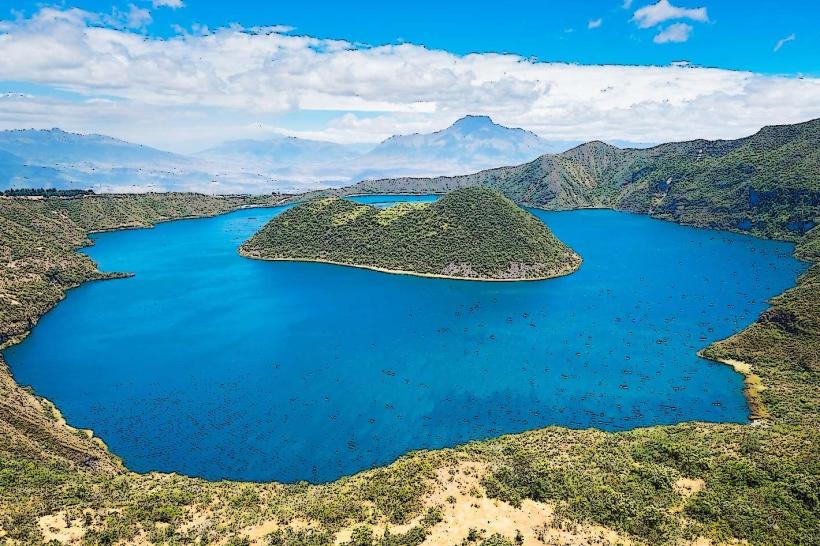
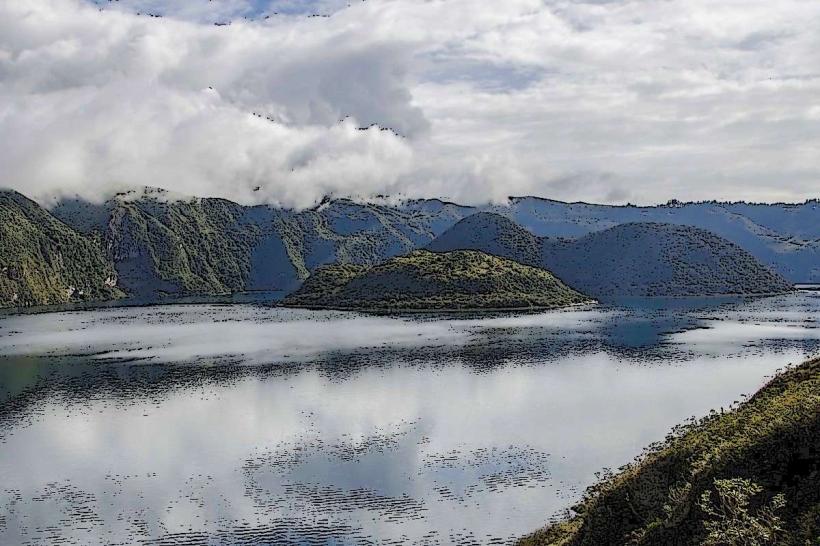
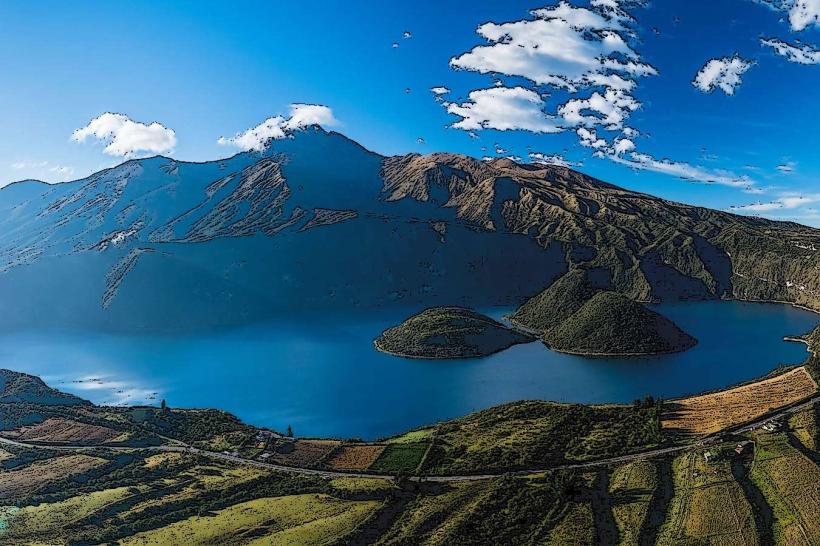
Lago Cuicocha, a brilliant blue crater lake, rests in the Cotacachi-cayapas-ecological-reserve_cotacachi" class="underline">Cotacachi-Cayapas Ecological Reserve at the base of the Cotacachi Volcano in Imbabura Province, northern Ecuador, and the lake’s sweeping cliffs and glassy water draw nature lovers, trekkers, and photographers alike.This spot ranks among the region’s most stunning natural wonders, with sweeping views that catch your breath, wildlife from darting hummingbirds to silent deer, and a heritage that runs deep in local tradition, then lago Cuicocha, a deep-blue volcanic crater lake, took shape when Cotacachi Volcano erupted about 3,100 years ago, leaving behind a basin of shimmering water, mildly The eruption tore a huge crater into the earth, and over the years, rain pooled in its hollow, slowly creating the lake, subsequently perched about 3,068 meters (10,067 feet) above sea level, the lake rests in a cradle of steep volcanic slopes draped in thick, green foliage.The lake stretches about 3 kilometers (1.86 miles) across, and its waters plunge to an average depth of roughly 200 meters (656 feet) - deep enough that sunlight fades to darkness halfway down, likewise two petite islands, Isla Yerovi and Isla Cuicocha, sit in the middle of the lake, adding to the lake's striking visual appeal.These islands rose from ancient volcanic vents, their obscure rocks now sheltering rare plants and animals, what’s more cuicocha Volcano is a dormant but still active stratovolcano, and the land around its deep blue lake shows scars of heritage eruptions and the faint steam of ongoing geothermal activity, loosely The ecosystem around Lago Cuicocha belongs to the Andean highlands, alive with rich biodiversity-from dazzling hummingbirds darting between flowers to native plants clinging to the rocky slopes, at the same time in the cloud forest, mist clings to every leaf, creating ideal conditions for a rich mix of plants and animals to thrive.This area shelters a variety of native plants, from radiant bromeliads and delicate orchids to soft green ferns and velvety moss, not only that the lake teems with life, especially birds-a heron might glide low over the water while ducks ripple the surface near the reeds.In a way, You might glimpse ducks paddling near the shore, geese gliding overhead, and high above, Andean condors, hummingbirds, and eagles soaring in the clear mountain air, what’s more you might spot miniature mammals-like deer moving quietly through the brush or a fox darting across the trail-along with frogs, dragonflies, and countless other creatures, all adding to the rich tapestry of life around the lake.Lago Cuicocha’s rugged trails make it a top spot for hikers and anyone who craves the outdoors, with crisp mountain air and sweeping lake views, along with several hiking trails wind around the lake, inviting visitors to take in its quiet beauty and sweeping views, with sunlight glinting off the water.From what I can see, Cuicocha Loop Trail: This well-loved path circles the whole lake, leading hikers past clear blue water and sweeping mountain views, alternatively the trail stretches about 12 kilometers, or 7.5 miles, and most hikers finish it in four to five hours, enough time to hear the crunch of gravel underfoot.As it happens, The trail is a moderate climb, but it rewards you with sweeping views of the lake, rugged mountains, and the snow-dusted peak of Cotacachi Volcano, likewise hikers wind past mossy forests, skirt sheer volcanic cliffs, and pause at lookout points that open to sweeping views.Shorter Trails: If you’d rather keep the stroll easy, you’ll find several paths that wind to quiet viewpoints or down to the lake’s edge where the water laps at the rocks, besides hiking around the lake gives you sweeping views of the water and the looming volcanoes, and along the way you might spot shining orchids or a hummingbird flashing past.The trail is kept in great shape, with sturdy boards underfoot and signs along the way that share stories about the land’s geology and wildlife, and while hiking the lakeshore is a favorite pastime, you can also head out onto the water-take a boat tour and watch the islands rise from the mist, with pine-scented air all around.You can wander through the islands-especially the quiet shores of Isla Yerovi-and discover how shifting earth and ancient eruptions shaped the lake and the land around it, alternatively some tours let you spot sparkling kingfishers or snap photos right from the boat.Fishing isn’t as popular here as hiking or boating, but you can still drop a line into the clear waters of Lago Cuicocha, after that a handful of fish species live in the lake, and some visitors wade in or cast their lines into its still, glassy water, for the most part But fishing’s tightly controlled to stop overfishing and keep the local waters-where the air smells faintly of salt-healthy, not only that for the Kichwa people who live here, Lago Cuicocha is more than a lake - it’s a site of deep cultural and spiritual meaning, where the wind carries echoes of vintage stories across the water.Locals perceive the lake and the mountains around it as sacred, believing the whole destination hums with a quiet, powerful energy, at the same time the Kichwa turn to the lake for its fish, but they also gather on its quiet shores for ceremonies and rituals honoring Pachamama-Mother Earth-a guiding presence in Andean spirituality, somewhat For generations, the land around the lake has thrived as a hub of traditional farming, where locals plant maize, potatoes, and quinoa in the gloomy, rich soil left by ancient volcanoes, besides lago Cuicocha sits only about 20 kilometers (12 miles) from Cotacachi, so you can reach it easily-just a short drive past green hills and winding roads.From Cotacachi, you can hop in a car for a quick drive or join a guided tour that winds its way to the lake’s shimmering shore, in addition you’ll find plenty of places to stay in the region, from quiet eco-lodges tucked into the hills to simple, budget-friendly rooms in nearby towns such as Cotacachi and Otavalo, in a sense You’ll usually pay an entrance fee to visit the park around Lago Cuicocha, and that money goes toward keeping the trails clear and safeguarding the lake’s rugged, wild beauty, as a result the ideal time to observe Lago Cuicocha is in the dry season, June through September, when the skies stay clear and the air feels crisp, though you can visit any time of year, sort of In the highlands, the weather can turn without warning-one minute the sky’s clear, the next it’s spitting rain-so pack a warm, waterproof jacket, while in conclusion, Lago Cuicocha offers a stunning glimpse into Ecuador’s wild beauty, with deep blue waters shimmering beneath the Andes.Hike the winding trails, drift across the water on a boat, or just sit still and breathe in the pine-scented air-the lake will stay with you long after you’ve left, alternatively with jagged volcanic peaks on the horizon, vibrant wildlife in every shade of green, and deep cultural roots, it’s a must‑visit for anyone roaming the Cotacachi‑Cayapas Ecological Reserve and the Andean Highlands.
Author: Tourist Landmarks
Date: 2025-09-18